
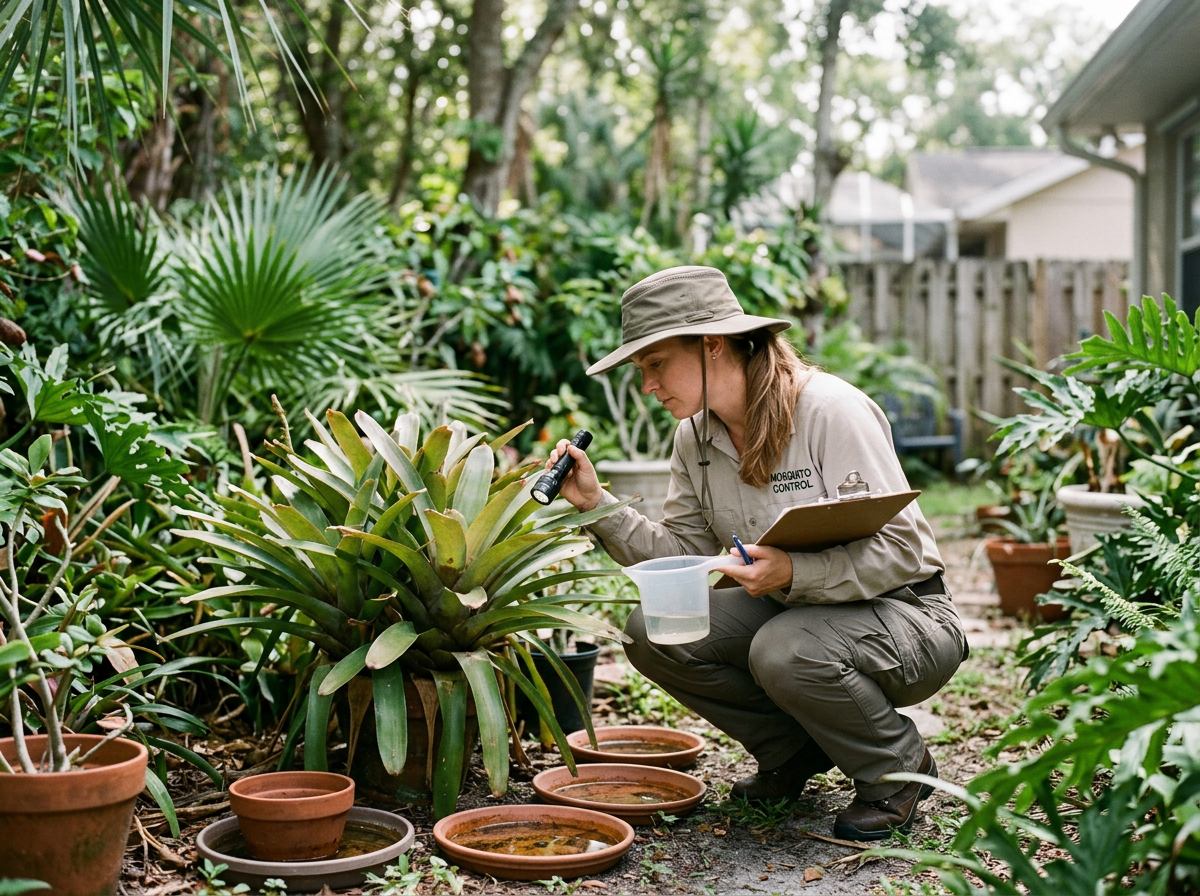
Astatula sits in Lake County as a small town in central Florida's lake region, where mosquito pressure comes mainly from containers, irrigation systems, and ditches rather than tidal marshes.
FL Mosquito Pros reaches Astatula from Brooksville using routes like FL-561 to treat properties facing hot summers that boost breeding in bromeliads and livestock water sources.
Nearby service extends to Tavares and Leesburg with the same focus on source reduction that works well in this citrus and ranch country setting.
Mosquito Control Services in Astatula, FL
Mosquito Control in Astatula
Year-round mosquito control for Brooksville properties that reduces populations by treating actual breeding sites and re…
Details →Mosquito Spraying in Astatula
Barrier-focused mosquito spraying that reaches resting sites in vegetation rather than open lawn.…
Details →Mosquito Misting Systems in Astatula
Automated misting systems placed to target shaded resting sites while complementing source reduction across Florida yard…
Details →Yard and Perimeter Treatment in Astatula
Targeted barrier applications along property lines and resting sites keep mosquitoes from moving freely between neighbor…
Details →No-See-Um and Biting Midge Control in Astatula
Targeted barrier work and screening checks for no-see-ums and biting midges that pass through ordinary screens in Florid…
Details →Standing Water and Breeding Site Reduction in Astatula
Site-by-site removal of standing water sources that produce Aedes aegypti and albopictus around Brooksville homes.…
Details →Around Astatula
We regularly work near:
- 📍FL-561 corridor
- 📍Lake region residential areas
- 📍Central Florida citrus groves
Mosquito Control in Astatula — Local Notes
- •Container breeding around homes increases with mild winters and frequent irrigation in the lake region.
- •FL-561 provides direct access for technicians traveling from Brooksville to treat residential and grove-adjacent properties.
- •Ornamental plantings and ditches common in Astatula create persistent breeding spots that respond to targeted treatments.
- •Hot summers extend the active season, requiring regular visits to keep populations in check on smaller lots.