
2026-09-15 ·
Cost Considerations for Ongoing Mosquito Management
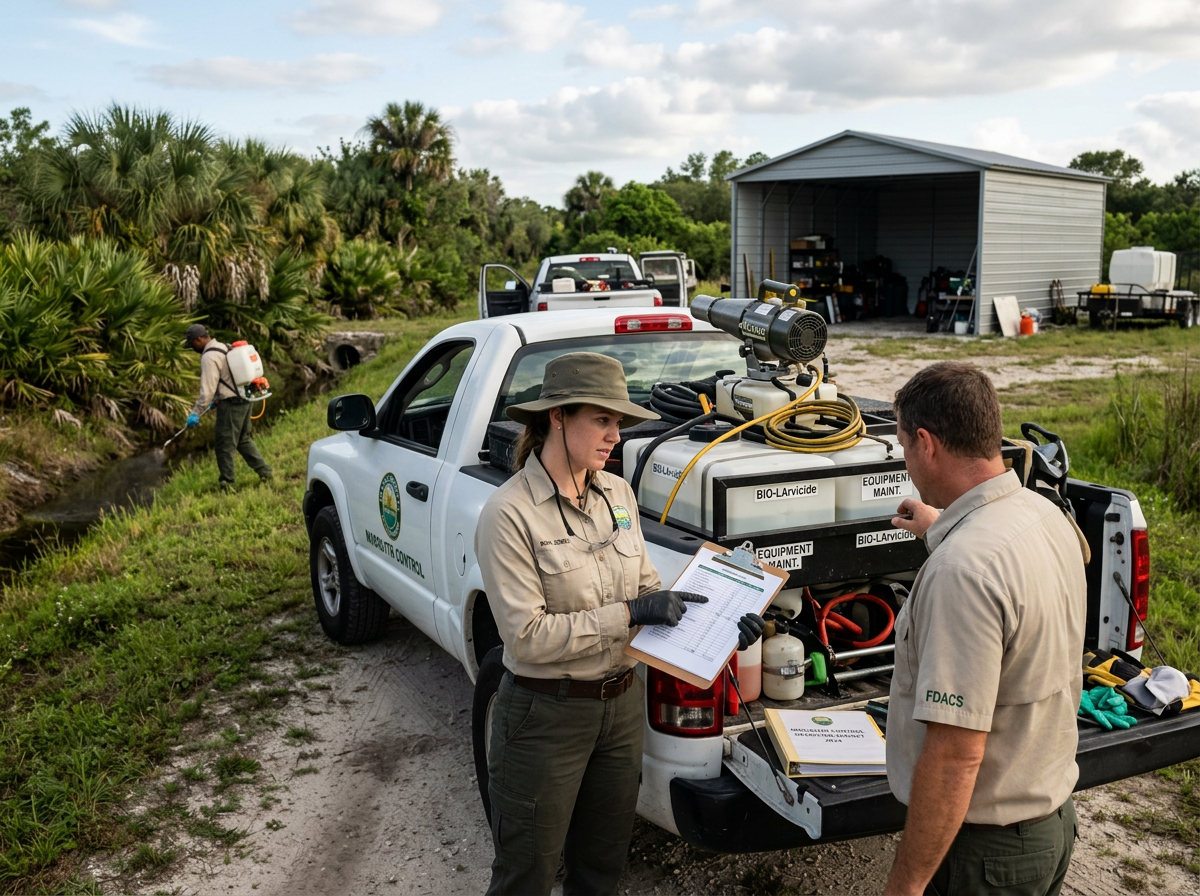
Ongoing mosquito management in Florida typically requires treatments every 2–4 weeks during peak season because eggs develop into adults in 7–10 days and afternoon storms create new standing water daily. Property owners in Brooksville face continuous pressure from both container-breeding species that stay close to yards and salt-marsh mosquitoes that travel several miles inland, so costs rise with the need for repeated barrier work on shaded vegetation and regular checks for small water sources such as plant saucers or tarp folds.
Treatment Frequency and Season Length
Florida’s year-round mosquito activity means management programs rarely pause. Container species complete their cycle quickly when water is present, while salt-marsh adults can arrive from coastal marshes after storms. This drives the need for barrier applications on resting sites every 2–4 weeks in many yards. Programs that skip intervals allow rapid rebound, increasing total seasonal expense. Homeowners who schedule consistent visits avoid larger single-season spikes caused by sudden population surges after heavy rain.
Breeding Site Reduction Work
Reducing standing water remains one of the most direct ways to control long-term costs. Larvae develop in containers holding as little as a bottle cap of water, so regular removal of water from gutters, bird baths, and boat covers cuts the number of required chemical treatments. Inspecting Gutters and Downspouts for Mosquito Larvae shows how overlooked roof drainage can sustain populations. Properties that combine monthly service visits with homeowner source reduction often see lower overall service frequency than those relying on sprays alone.
Barrier Treatments and Vegetation
Barrier sprays target shaded resting vegetation where adult mosquitoes gather between blood meals. Yards with dense tree canopies or thick shrub borders require more product and time per visit. How Tree Canopies Influence Mosquito Resting Spots explains how canopy density affects application patterns. Larger lots or properties bordering natural areas also need wider perimeter coverage, raising labor and material use. Consistent scheduling keeps vegetation treated before new hatches emerge, preventing extra emergency calls.
No-See-Um and Screening Factors
No-see-ums pass through standard window screens and add another layer of management. Finer mesh of 20 or higher helps exclude them, yet many homes need supplemental yard treatments around dusk when these midges are active. Properties near water or with irrigation systems that create damp soil face higher service needs. Integrating No-See-Um and Biting Midge Control with regular mosquito work prevents separate contracts and duplicated site visits.
Property Size and Layout Considerations
Larger parcels or those with multiple structures increase the surface area that must be treated. Homes in Brooksville with oak-lined yards often combine perimeter sprays and source reduction. Yard and Perimeter Treatment addresses the outer edges where salt-marsh mosquitoes first land after flying inland. Owners who map high-use zones such as patios and play areas can focus applications, trimming unnecessary coverage on unused sections of the lot.
Combining Services for Efficiency
Pairing barrier work with Standing Water and Breeding Site Reduction lowers repeat visits because fewer new adults emerge between appointments. Programs that address both adult resting sites and larval sources in one visit reduce travel and setup time compared with separate calls. This integrated approach keeps seasonal totals steadier even when weather patterns change week to week.