
2026-09-15 ·
How Tree Canopies Influence Mosquito Resting Spots
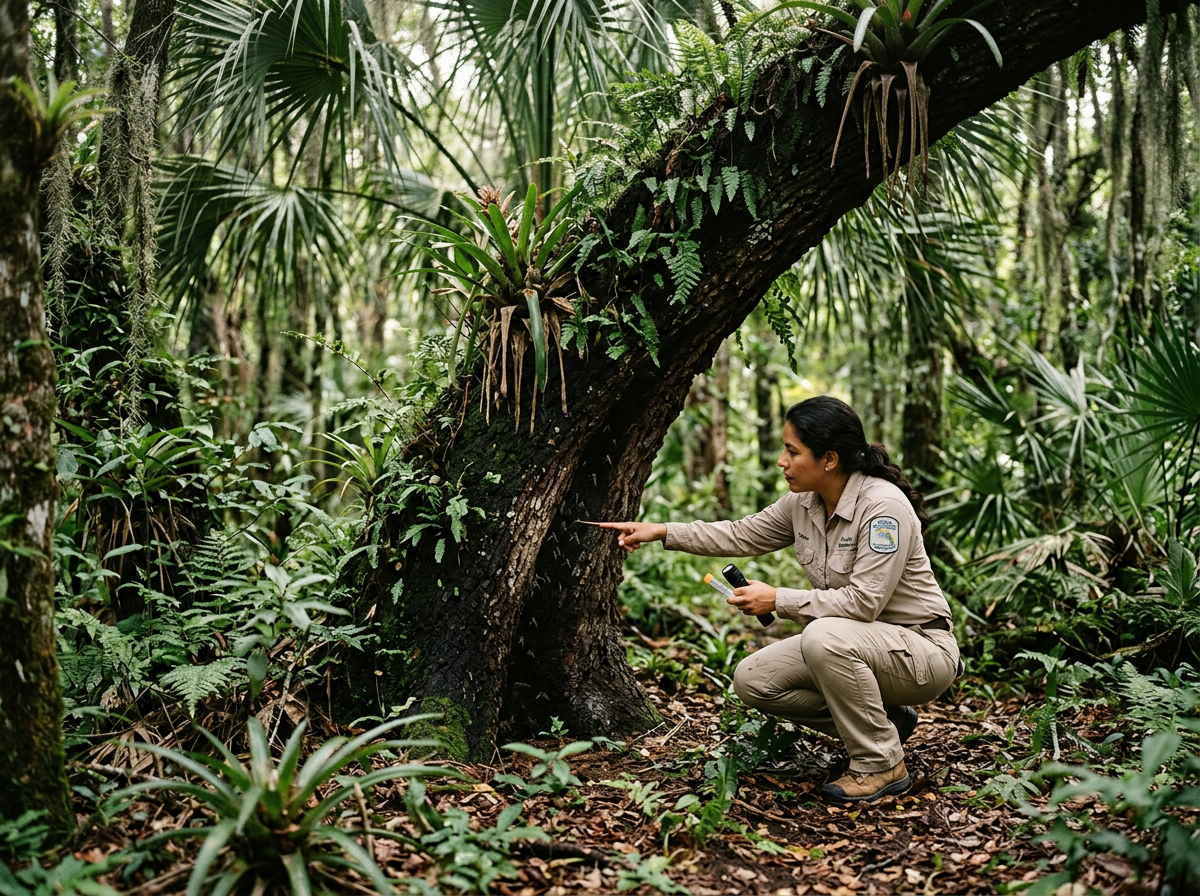
Tree canopies in Florida supply the shaded, humid resting spots mosquitoes seek during daylight hours, typically 6 to 15 feet above ground in dense foliage where temperatures stay several degrees cooler than open sun. This preference lets both container-breeding species and salt-marsh mosquitoes conserve energy after emerging from standing water as small as a bottle cap. The structure of leaves and branches reduces wind and evaporation, extending the time adults remain active before seeking another blood meal or returning to breed.
Canopy Microclimates and Daily Resting Behavior
Dense oak, maple, and pine canopies common around Brooksville create pockets of higher humidity that mosquitoes use to avoid desiccation during the heat of the day. Container species such as Aedes aegypti and Aedes albopictus often rest within a few hundred feet of their breeding containers, while salt-marsh mosquitoes may travel several miles inland before settling under similar cover. Afternoon storms that reset standing water daily also refresh the moisture levels under these canopies, allowing new adults to emerge and find shelter within 7 to 10 days of egg laying. Property owners notice higher activity near wooded edges because the vegetation provides both protection and proximity to hosts. Yard and Perimeter Treatment focuses on these exact vegetation layers rather than open lawn areas.
Salt-Marsh Versus Container Species Flight and Resting Ranges
Salt-marsh mosquitoes can cover 5 to 20 miles from coastal breeding sites before resting under inland tree canopies, whereas container breeders rarely travel more than one mile from their source. This difference means Brooksville properties near rivers or low-lying areas may receive influxes of the longer-range species that then settle in shaded yards. Once under canopy cover, both types remain within 10 to 30 feet of the ground where air movement is minimal. Storms that drop rain into bromeliads, gutters, and tarps create new breeding sites close to these resting zones, shortening the interval between generations. Spotting Mosquito Breeding Sites After Summer Storms helps identify how quickly new adults can populate nearby canopies.
Barrier Applications on Shaded Vegetation
Barrier treatments target the underside of leaves and lower branches where mosquitoes rest, applying material that remains effective for two to three weeks under typical Florida conditions. This approach reaches the exact locations mosquitoes choose after flying in from breeding sites, rather than treating open areas where they spend little time. No-see-ums that pass through standard window screens also favor the same canopy zones and benefit from the same vegetation-focused work. Properties with mature trees require attention to both the outer drip line and interior shaded pockets to interrupt daily movement patterns. No-See-Um and Biting Midge Control uses similar methods scaled to the smaller insects that share these resting spots.
Practical Steps for Properties with Heavy Tree Cover
Reducing standing water within 100 feet of canopy edges limits new adults that would otherwise rest in the same vegetation. Gutters, plant saucers, and boat covers should be checked after each storm because even small amounts of water support the 7- to 10-day development cycle. When canopies are dense, opening sight lines or thinning lower branches can reduce the sheltered volume available for resting without removing the trees themselves. Homeowners in Brooksville and surrounding Hernando County areas often combine these steps with periodic vegetation treatments to maintain lower populations through the year-round season. Mosquito Control programs in the region adapt intervals based on rainfall patterns rather than calendar dates alone.